This post is written by Maddison Meijome, Birth Halo’s Postpartum Mental Health Therapist.
If you’re asking this question, you’re already doing something right. You’re paying attention to yourself — and that matters.
Most new and expecting moms want to know the difference between baby blues and postpartum depression for a very specific reason: they want to know if they need help. And here is my answer before we even get into the clinical details:
You are allowed to seek help no matter what. Even if what you’re experiencing is “just” the baby blues. Even if it seems mild. Even if someone in your life tells you it’s normal. You get to have your feelings heard.
Baby Blues
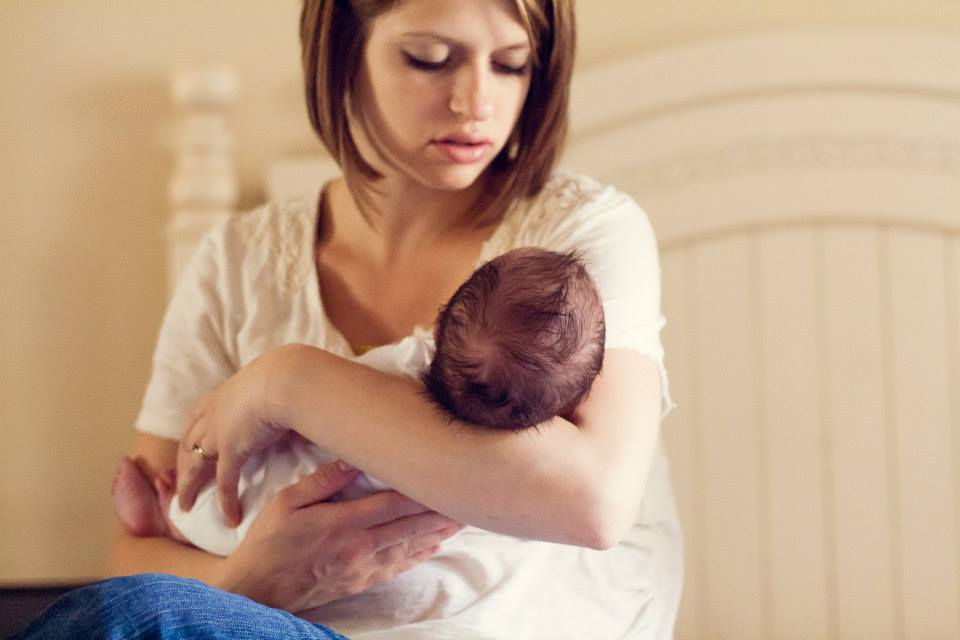
Baby blues are extremely common — most new mothers experience them. They begin right after delivery, peak around day 7, and typically resolve within two weeks. Symptoms include:
- Sadness or tearfulness
- Feeling overwhelmed or anxious
- Loneliness or emotional swings
- Fatigue and not feeling like yourself
This is your body and hormones going through an extraordinary recalibration. It’s real, and it’s temporary.
Postpartum Depression
PPD is different in duration and intensity. It doesn’t just resolve on its own in two weeks — and it often gets worse without support. Symptoms include one or more of the following:
- Persistent sadness or hopelessness
- Mood swings and irritability
- Feeling worthless or like your family would be better without you
- Loss of interest in your baby or yourself
- Inability to sleep even when baby is sleeping — or sleeping excessively
- Low or no sex drive
- Sluggishness, lack of motivation
- Thoughts of harming yourself or your baby
Other signs that deserve attention: urges to isolate completely, a desire to “run away,” or if you’ve struggled with substance use in the past and feel those urges returning.
How Common Is PPD?
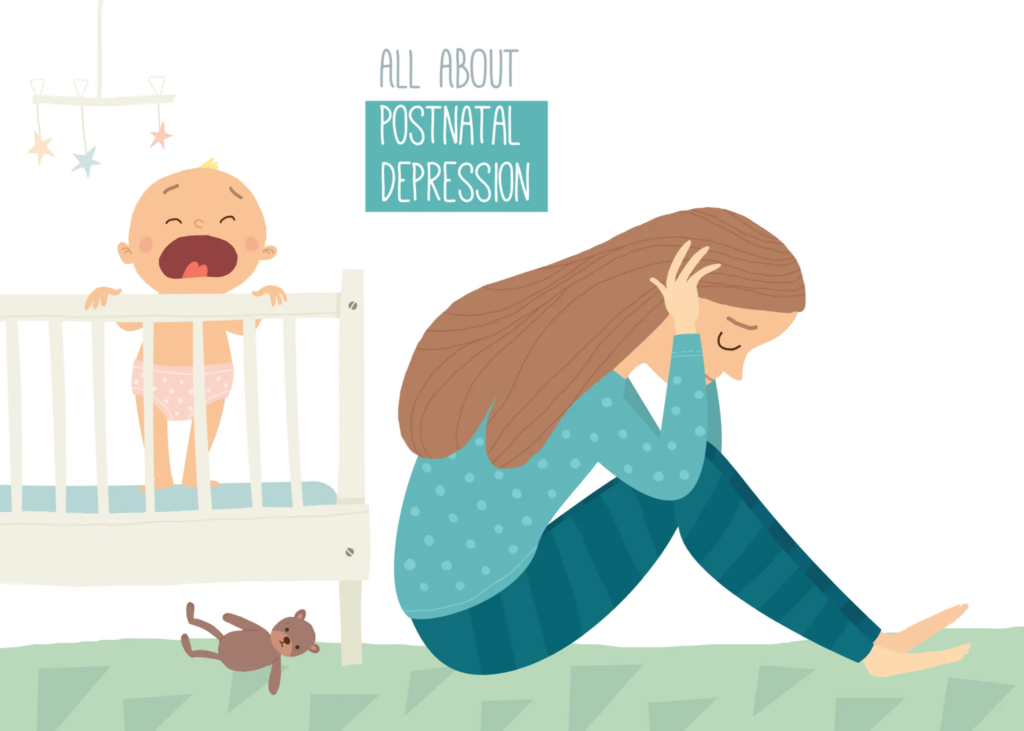
PPD is likely more prevalent than statistics capture. Because this is such a unique time in a woman’s life, many women and their supporters minimize the experience — writing it off as “just being a new mom” or a bad case of the baby blues. That mentality isn’t just unhelpful. It can be actively harmful, because depression tends to get worse before it gets better, and it touches every part of a person’s life.
Research shows that untreated postpartum depression contributes to delayed development in children, increased risk of future mental illness in children, and insecure attachment between baby and mother. Getting help isn’t just for you — it’s for your baby too.
How PPD Is Diagnosed
The most widely used screening is the Edinburgh Postnatal Depression Scale (EPDS) — you may have filled this out at your baby’s pediatric appointments. Some offices use it at every visit until baby is one year old. Others don’t use it at all. If you haven’t been screened, you can take it yourself and bring the results to a trusted healthcare provider.
Risk Factors
The strongest risk factor for PPD is a personal history of depression — your body’s existing challenge with serotonin production can be amplified by the hormonal shifts of pregnancy and postpartum. That said, some women actually feel more mentally stable while pregnant or postpartum.
Other risk factors include:
- Family history of postpartum depression
- Isolation or lack of social support
- High-risk pregnancy
- Birth trauma
- Teen pregnancy
- Low income
- Malnutrition in mom or baby
- Lack of physical activity
Treatment Options
Medication: SSRIs are the most commonly prescribed treatment — sertraline (Zoloft), citalopram (Celexa), escitalopram (Lexapro), fluoxetine (Prozac). In simple terms, SSRIs give your nerve endings a much better chance of receiving the serotonin they need. Talk to your OB, or better yet, make an appointment with a psychiatrist or ARNP who can fully assess your situation.
Is it safe to take antidepressants while nursing? There is very little evidence of harm. That said, pregnant and nursing women are excluded from drug trials, so there aren’t detailed studies on infant side effects. The most useful question to ask yourself is: would this medication help me become the mother I want to be? Your mental health directly affects your child’s development — that matters too.
Exercise: One of the most evidence-backed non-medication interventions available. It doesn’t need to be intense — a daily walk with the stroller counts.
Sleep: Make a plan before you’re in survival mode. Who handles nights? Do you take shifts? Co-sleepers keep baby close and can maximize sleep for both of you. Even an imperfect plan is better than winging it.
About Postpartum Psychosis
This is rare but serious. Seek emergency care immediately — call 911 or go to the ER — if you experience:
- Strong urges to harm yourself or your baby
- Hearing voices or sounds that aren’t there
- Paranoia — feeling like people are out to get you or your baby
- Intrusive, persistent, unwanted thoughts
- Mania similar to bipolar disorder
These symptoms can appear as soon as birth and up to several weeks after. Because they can escalate quickly and result in fatal outcomes, get care immediately if anything on this list sounds familiar.
How to Cope Day to Day
Avoid isolation. It’s tempting to hunker down and disappear, but your brain genuinely needs human interaction to regulate during this time. Accept help. Find small ways to stay connected.
Make a sleep plan. Who’s on night duty? Are you taking shifts? Will you nap when baby naps? Decide this before exhaustion makes the decision for you.
Talk to a friend. Recognize when you need a break, take it, and come back when your energy is restored.
Understand the difference between self-care and self-indulgence. Self-care is doing the daily things that keep you healthy — mentally, physically, emotionally, socially, spiritually. Self-indulgence is a glass of wine and online shopping. Both have their place, but they are not the same thing. Real self-care is less glamorous and far more sustaining.
Communicate your needs directly. The people around you want to help — they just don’t always know how. Tell them specifically what you need. Be direct. They can handle it.
When Do You Need Help?
There is no threshold you have to cross first. If you feel overwhelmed — even if it seems like normal new-mom overwhelm — it doesn’t hurt to make an appointment with a postpartum counselor. There is no reason to do this alone.